
Why Research Peptides Are Flooding the Market (And What It Means for Clean Energy)
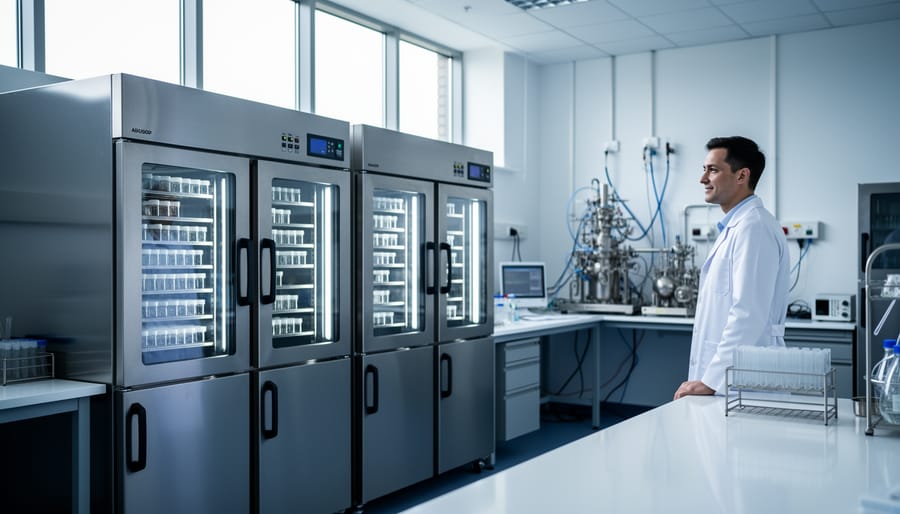
The research peptide market, projected to be worth approximately $580 million globally in 2026, presents a significant and largely unrecognized energy challenge for renewable power providers. Buyers searching for research peptides, whether through specialized distributors such as the Kylo Peptides site or direct manufacturers, are driving an industrial sector whose production methods rely heavily on energy-intensive lyophilization, chromatography, and climate-controlled storage infrastructure. Commercial-scale peptide synthesis facilities now consume an estimated 2.3 terawatt-hours annually, with demand projected to grow 18% year-over-year as pharmaceutical development, academic research, and biotechnology applications expand.
This intersection of biochemical manufacturing and energy demand creates both opportunity and obligation for the clean energy sector. Peptide synthesis facilities operate continuous processes that require stable baseload power, making them ideal candidates for dedicated renewable installations. Yet most production remains grid-dependent, drawing from conventional sources during peak manufacturing cycles. The sector’s rapid expansion, fueled by advances in personalized medicine and materials science, means energy partnerships formed today will shape the carbon footprint of tomorrow’s biochemical industry. For renewable energy stakeholders, understanding peptide manufacturing’s operational requirements offers a window into an emerging industrial customer base with specific power quality needs and substantial growth trajectories that align with long-term offtake agreements.
The Bio-Industrial Revolution Behind Research Peptide Manufacturing
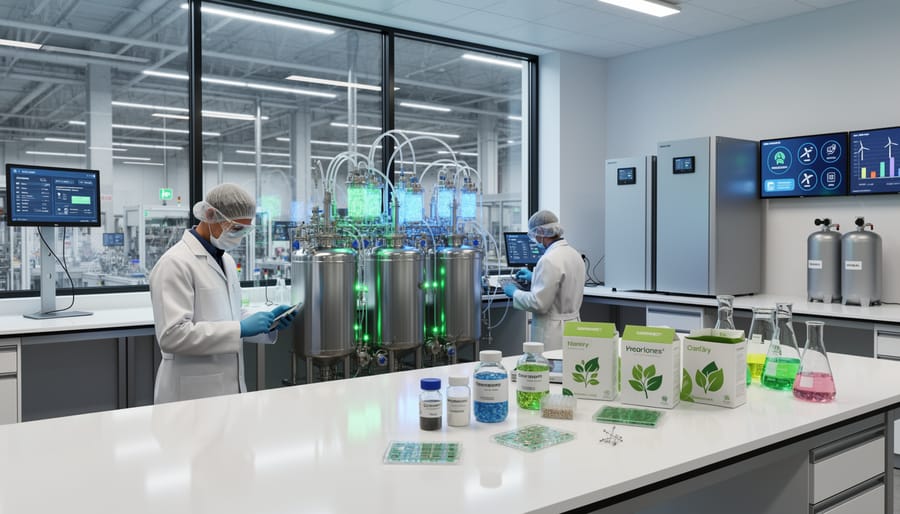
Synthetic biology and advanced biomanufacturing have propelled the mass production of research peptides into a new era, tapping into capabilities that would have been unimaginable a decade ago. Modern facilities regularly synthesize peptides at scales required for pharmaceutical development, diagnostic kits, and academic work. This leap owes much to both breakthroughs in automation and to global investment in life science infrastructure, but it comes at an equally significant energy cost.
Peptide synthesis, whether carried out via solid-phase techniques or through recombinant DNA technologies, is fundamentally energy-intensive. Large volumes of solvents, frequent temperature changes, and high-precision instruments running for hours or days drive up electricity demands, especially when scaled for global distribution. Peptide purification adds another layer of resource consumption, requiring specialized chromatography equipment and extensive water use, both of which compound the facility’s overall carbon footprint.
As the market for research peptides for sale has grown, so have concerns about sustainability and energy sourcing. The industrial cluster that supports biotech manufacturing often mirrors the patterns seen in traditional hard-to-abate industries, making the transition to cleaner power an urgent opportunity and challenge. Biomanufacturers are increasingly examining the possibility of deploying green energy in heavy industries as a model, adopting solar, wind, and even waste-to-energy technologies directly into their production campuses. Some firms now track their kilowatt consumption per gram of peptide, pushing for energy audits and lifecycle assessments as benchmarks for both environmental compliance and operational efficiency.
Pressure also comes from downstream partners and regulators, who are beginning to demand cleaner credentials for input ingredients. In this evolving landscape, any supplier looking to dominate the research peptide market must consider not just process innovation and cost, but also the resilience and sustainability of their energy sourcing, an emerging differentiator as the sector matures and aligns more closely with global clean energy objectives.
Energy Demands of Peptide Production Facilities
Cold Chain Infrastructure and Its Environmental Footprint

Research peptides, by their very nature, are highly sensitive to temperature fluctuations, which makes uninterrupted cold storage an operational necessity from point of synthesis through to the end user. This continuous refrigeration, encompassing ultra-low temperature freezers, refrigerated transport, and climate-controlled warehousing, forms the backbone of the research peptide distribution chain and drives up the sector’s total energy consumption. Much like the pharmaceutical industry, the bio-industrial peptide market faces unique challenges in balancing product integrity with growing environmental scrutiny.
Refrigeration systems, especially in geographically distributed networks, draw significant amounts of electricity, leading to high direct and indirect emissions. Industry research shows that cold-chain energy demands are a major contributor to the overall carbon footprint not just in food systems but in the broader life sciences supply chain. As online portals serving the “research peptides for sale” market multiply globally, the distributed storage points often rely on fossil energy grids, compounding environmental impact.
Renewable energy integration, such as onsite solar or grid-linked green power purchasing, is gaining traction among manufacturers aiming to align with climate commitments. Emerging models include zero-emission cold rooms and innovative refrigerants, helping the sector steadily reduce its environmental intensity while addressing the operational imperative of continuous, reliable cold storage.
Synthesis Process Energy Intensity
Peptide synthesis, whether conducted via solid-phase chemical methods or recombinant DNA techniques, is a resource-intensive undertaking that exerts significant energy pressure on production facilities. Chemical synthesis typically involves repeated cycles of reagent delivery, coupling, deprotection, and washing steps, all requiring precise heating, cooling, and the operation of automated synthesizers. Each round may consume kilowatt-hours per gram of peptide produced, especially when scaled to industrial quantities. Recombinant synthesis, which uses genetically engineered microorganisms, necessitates fermentation in bioreactors with tightly controlled temperature and agitation, followed by complex downstream purification, steps often demanding several days of continuous operation and a substantial power draw for HVAC and support equipment.
While both methods differ in raw inputs, both share a high baseline energy demand relative to most laboratory bioprocesses. However, facilities are increasingly evaluating solar-augmented heating systems, advanced heat exchangers, and energy recovery from exhaust streams as avenues to reduce overhead. Integrating clean energy into these operations offers both economic and sustainability dividends over conventional grid-dependent approaches.
The Proliferation of Online Research Peptide Markets
The online market for research peptides has expanded rapidly, driven by rising global demand from biotech startups, academic laboratories, and pharmaceutical R&D. These compounds, once restricted to narrow scientific circles, are now offered through dozens of specialized e-commerce platforms and even mainstream online marketplaces. Behind this surge is a convergence of inexpensive manufacturing, easy international shipping, and a regulatory gray zone that enables suppliers to reach a worldwide customer base with minimal oversight.
Unlike tightly controlled prescription drugs, research peptides often fall under less stringent chemical supply laws or are labeled “not for human consumption” to circumvent drug regulation. This gap makes the market more accessible but also means environmental and quality standards can vary by jurisdiction or operator. As a result, the energy and carbon footprints of distributed manufacturing sites are difficult to track. Some facilities are state-of-the-art, others run on outdated grid infrastructure, making the overall sustainability profile unpredictable.
The environmental impact is further complicated by the need for robust shipping and storage infrastructure, since peptides typically require cold chain logistics to preserve their integrity. This fragmentation hampers efforts to centralize energy use or transition entire supply chains toward cleaner standards. Progressive suppliers are beginning to pilot shipping solutions that use renewables and storage for refrigeration and dispatch, but these remain exceptions rather than the rule. Until more unified oversight and sustainability incentives emerge, energy-sector stakeholders will face significant challenges in quantifying and greening the research peptide market.
Supply Chain Transparency and Sustainability Concerns
Tracking the sustainability of research peptide production is complicated by the sector’s fragmented supply chain. Most research peptides for sale are manufactured and distributed through a loose global network; suppliers can range from large, tightly regulated facilities to small, opportunistic labs. This decentralization limits visibility into upstream practices, making it difficult for stakeholders to verify the origin of materials, energy sources, and emissions profiles behind each product batch.
The market’s rapid growth has outpaced the establishment of industry-wide reporting standards. Individual producers may use vastly different synthesis and purification processes, each carrying a unique energy and materials footprint. Without transparency into these operational details, buyers have little ability to select peptides based on carbon intensity or renewable energy inputs. The widespread use of intermediary brokers, relabeling, and white-label contracts further muddies the data trail. For renewable energy providers and sustainability-focused partners, this opacity can mask underlying inefficiencies or fossil-based energy dependencies embedded in the value chain.
Attempts to introduce environmental certification schemes or traceability platforms for research peptides face hurdles uncommon in other industries. The global regulatory patchwork around peptide synthesis allows significant leeway in reporting and enforcement, especially for products labeled as “for research use only.” The sheer diversity of suppliers and the competitive pressure to minimize costs often sideline sustainability considerations.
For clean energy stakeholders, this complexity represents both a risk and an opportunity to offer solutions. As the sector expands, the pressure will grow for clear standards that link peptide production to verified clean energy use and quantifiable carbon reductions, enabling more sustainable procurement at scale.
Innovation Crossover: Peptides in Energy Storage and Catalysis
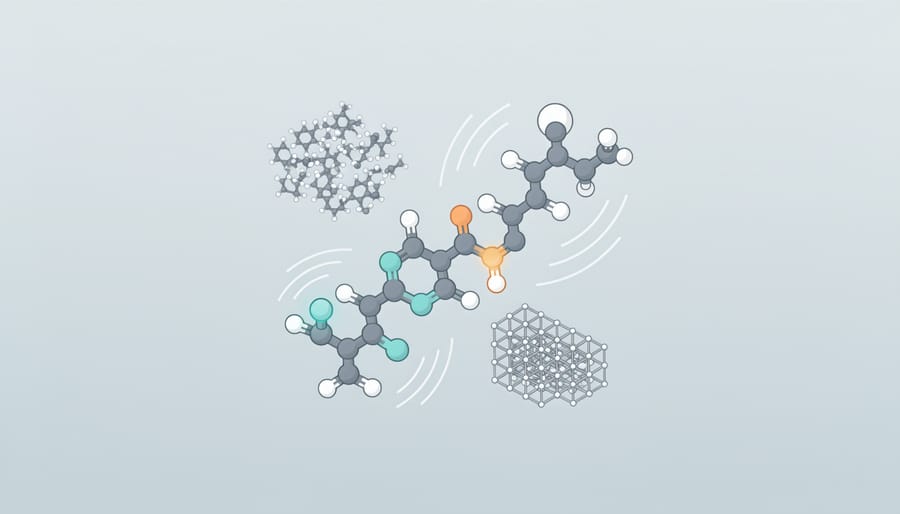
As new classes of research peptides emerge and become widely available, their utility is shifting from traditional biomedical applications to advanced energy systems. Peptides, with their programmable structures and amenability to large-scale synthesis, are attracting attention in the development of next-generation clean energy technologies. Researchers are engineering peptides to act as highly selective catalysts, tunable electrode materials, and molecular scaffolds that mimic enzyme activity, capabilities that conventional materials often lack.
A range of promising applications for peptides in renewable energy now shape the research agenda:
- Peptide-based electrocatalysts for hydrogen evolution and oxygen reduction in fuel cells
- Molecularly engineered peptide assemblies facilitating light capture and charge transfer for solar energy conversion
- Peptide-templated nanomaterials for high-capacity and safer battery electrodes
- Bio-inspired proton conductors utilizing peptide networks to enhance efficiency in electrochemical devices
- Self-assembling peptide hydrogels as stable, eco-friendly supercapacitor materials
The appeal of peptides in these roles stems from their structural diversity and the precision with which their sequences can be tuned for targeted functions. In catalysis, short chains engineered to fold into defined shapes can increase reaction rates for hydrogen production or carbon capture, often under milder conditions than traditional metal-based catalysts. Similarly, peptide scaffolds are being investigated as lightweight, biodegradable alternatives to rare earth-based components in batteries and supercapacitors, potentially reducing both toxicity and supply chain vulnerabilities.
While these innovations are largely in the experimental phase, the intersection of peptide chemistry and renewable energy represents a crucial frontier. For energy professionals, monitoring the translation of bench-scale breakthroughs into scalable solutions could reveal new opportunities for collaboration, particularly as biotech facilities scale up clean energy-enabled manufacturing to support both peptide production and downstream adoption in energy devices.
What Energy Decision-Makers Should Monitor
Clean energy professionals watching the growth of research peptides for sale should be alert to several developing trends that will shape future market dynamics and energy demand. As bio-industrial manufacturing clusters expand to meet the surging global demand for lab-scale peptides, these facilities are emerging as major energy consumers with unique load profiles. Grid planners must anticipate the operational realities of peptide synthesis plants, high baseload electricity for round-the-clock production, large-scale HVAC and cold storage demands, and a heightened need for reliable backup systems due to the sensitivity of biological materials.
This sector represents both a sizable new market and a logistical challenge for renewable integration. Decision-makers should assess where new peptide plants are being sited relative to available clean energy infrastructure and transmission corridors. Facilities sited in regions with abundant, low-carbon energy may gain both sustainability and economic advantages, given that the price and provenance of electricity will increasingly affect the long-term viability of peptide producers.
Strategically, renewable providers have an opening to work with peptide manufacturers on direct procurement agreements, on-site generation (such as solar or biogas), and behind-the-meter solutions to offset the intensive energy footprint of these operations. Early engagement can also support grid flexibility, demand response programs, and mutual investment in energy storage. Finally, as peptide applications begin to blur into clean energy technologies, including growing use in catalysis and battery materials, energy sector leaders should monitor collaboration opportunities that extend beyond utility supply, positioning themselves at the forefront of next-generation bio-industrial innovation.
Bio-industrial manufacturing is now at the threshold of reshaping global energy demand, with research peptides for sale serving as a prominent example of this transformation. Facilities producing these compounds are rapidly emerging as significant energy consumers, often with complex, round-the-clock requirements that differ from those of traditional industries. Their need for reliable and resilient clean power is accelerating conversations around scalable renewable integration and sector-specific solutions. Collaborations modeled after initiatives like the grid services pilot illustrate how the clean energy sector can work proactively with biotech to address these evolving needs.
Yet, the growth of distributed peptide manufacturing and the environmental footprint of energy-intensive processes underscore the importance of industry transparency. For energy decision-makers, keeping pace with advancements in synthetic biology and monitoring the expansion of bio-industrial nodes is essential for aligning growth with sustainability. As new opportunities open at the intersection of biotechnology and renewables, cross-sector awareness will be crucial. The journey toward cleaner peptide production could define a blueprint for integrating next-generation industrial consumers into a more adaptable, resilient, and decarbonized grid.