

Bill Konrad 1930-2011

May father died on December 7th, and I just published his obituary on Forbes: http://onforb.es/BillKonrad. As a life-long investor and IT CEO, I think it would have pleased him to have it published there.

Interviewing his friends and family in the process of writing it was a great help in coming to terms with losing him, as was this shorter poem I read at his memorial ceremony:

Dad could be a little prickly and hard to know at times,
just like the cacti you see around you here,
at his favorite spot,
overlooking the Pacific ocean.

I believe he loved them because he saw a parallel between them and himself.
That parallel was not the unexpected beauty of their blooms,
a trait he never would have admitted to in himself…
But I think that was just his needles talking.

Instead, I think he valued their ability to thrive in adverse conditions.
Above all, he loved to watch them grow,
To see what unique forms they would take on.

Just recently he told me that, when he was young, he was somewhat sickly.
Against the odds, he did thrive.

Dad was a risk-taker, but not a gambler.
He did everything he could to stack the odds in his favor.
With his health, he exercised religiously, and kept careful track of everything he could,
from his pulse rate to the most recent medical research.

In the stock market, he would place big bets on individual companies,
but only when he knew everything he could about those companies.
He made his first million before he was thirty because he saw the emergence of of a new electronics industry long before most other investors.

His diligence continued to pay off even when he was 70,
When he won his age division in the Big Sur marathon.

Dad was a great role model.
He set goals for himself, and he succeeded at them.
One of his goals and successes was to be a great father.

I love you, Dad.

Comments (2)

Wood gas conversion of pickups

Biofuels Digest brings us the story of Wayne Keith and his wood-syngas conversion for pickups (I get the feeling he uses mostly pickups because you can use the truck bed as you “gas tank.”

I think this option has a lot going for it. The biggest barrier to cellulosic biofuels in my mind is the dispersed nature of the resource… it’s difficult to gather it op in one place to convert it efficiently into fuel. So if the conversion is done in the vehicle, the dispersed nature of (especially rural vehicles) is a much better match for the dispersed nature of the resource.

Gasification is not a good option for urban vehicles (since the resource is relatively scarce there, although much garbage works in these trucks), but it seems an elegant solution for utilizing the large volume of diverse biomass that would never be collected by commercial operations because it is both to dispersed and varied.

Leave a Comment

Mathemagic

I just found out my college Probability and Statistics professor was on the Colbert Report last year. Apparently he’s the only mathematician to ever have been on the show.

Watch the video below for a sample Art Benjamin’s unique mathemagic (and Colbert’s four-standard-deviation humor)… and don’t worry, there won’t be a pop quiz after the episode.

The Colbert Report Mon – Thurs 11:30pm / 10:30c
Arthur Benjamin
www.colbertnation.com
http://media.mtvnservices.com/mgid:cms:item:comedycentral.com:262614
Colbert Report Full Episodes Political Humor & Satire Blog Video Archive

Leave a Comment

The One Alternative Energy Sure Thing?

It looks like Tom Gardiner at Motley Fool is pushing one of my current favorite stocks, Ameresco (AMRC). The Stock Gumshoe deciphered the clues here, giving my Forbes blog about Ameresco a link.

A appreciate the Gumshoe for his dry sense of humor and ability to deflate the hype newsletter promoters are always trying to drum up. Not that I mind when those propmoters are pushing a stock I already own a substantial chunk of!

Leave a Comment

Small is Beautiful

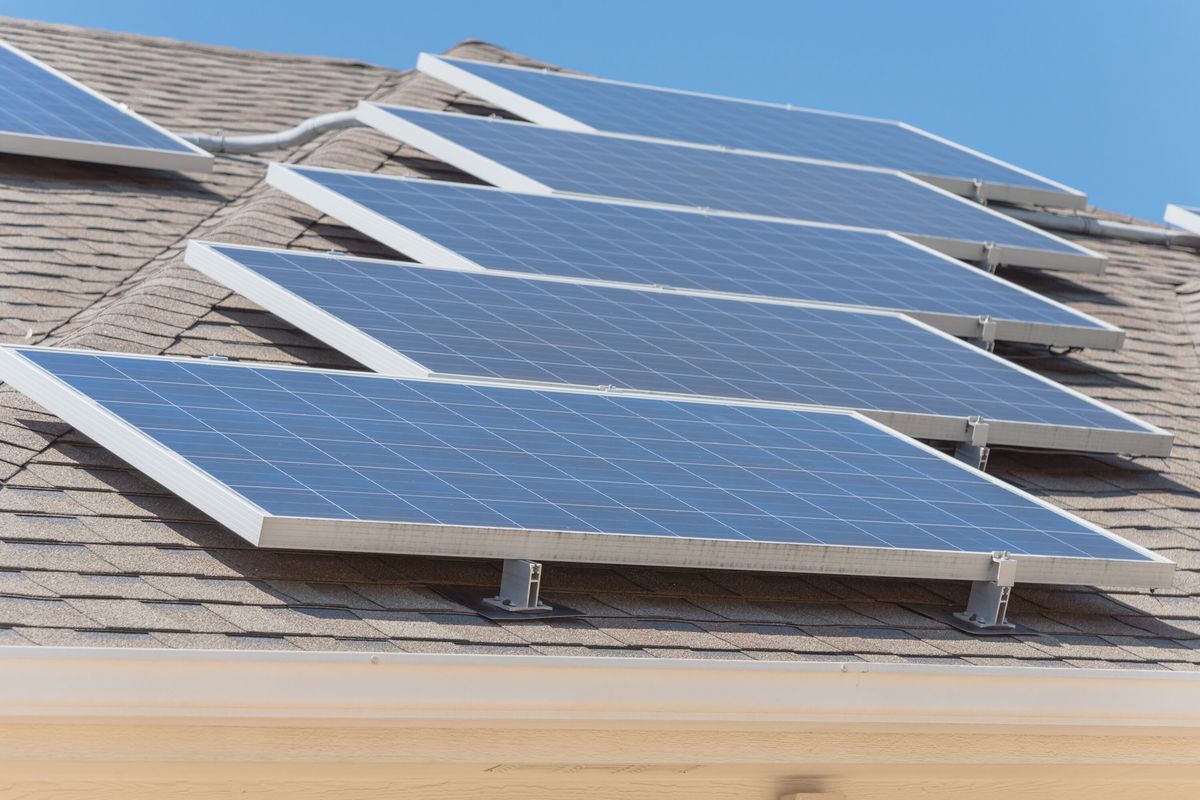
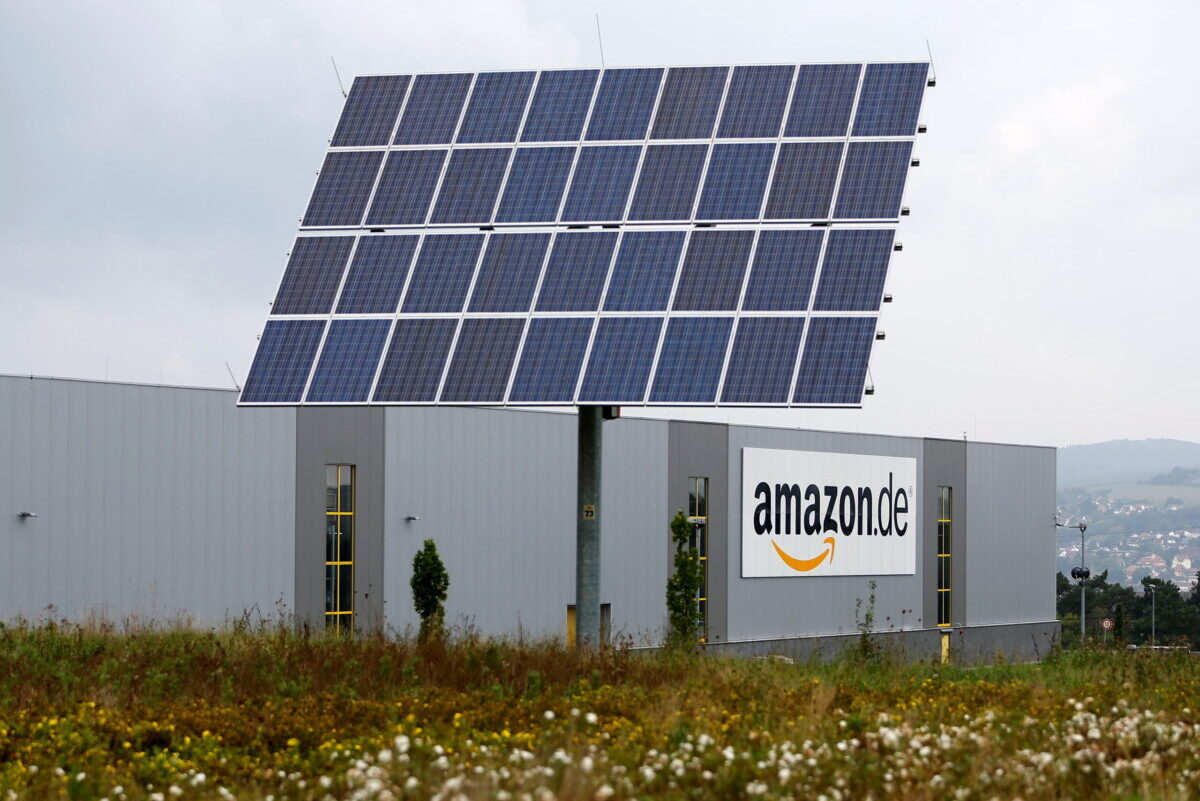
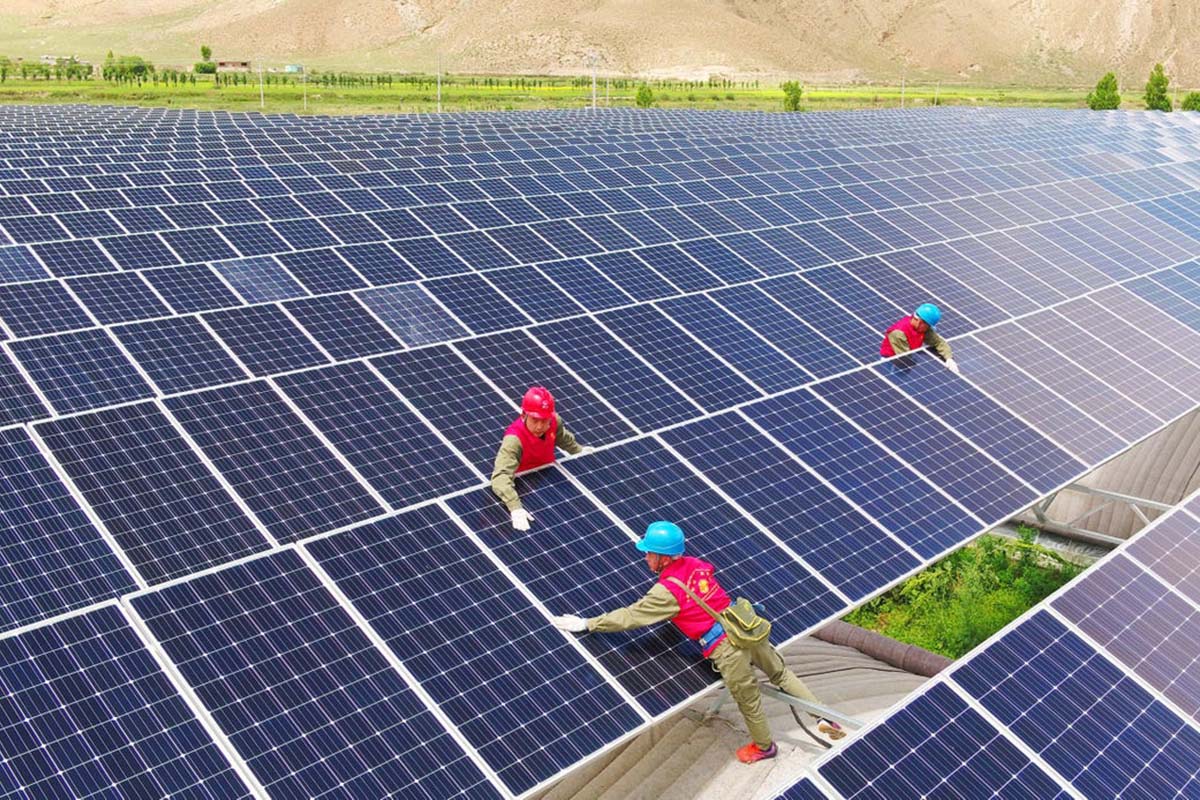
My recent Forbes article Cheap Photovoltaics Are Eating Solar Thermal’s Lunch about how the rapidly falling price for photvoltaic (PV) modules is undermining the case for concentrated Solar Thermal Power (CSP) is just one instance in a larger trend: In the modern energy economy, modular technologies advance more rapidly than large scale technologies because it is easier to get experience with them in the field at reasonable cost.

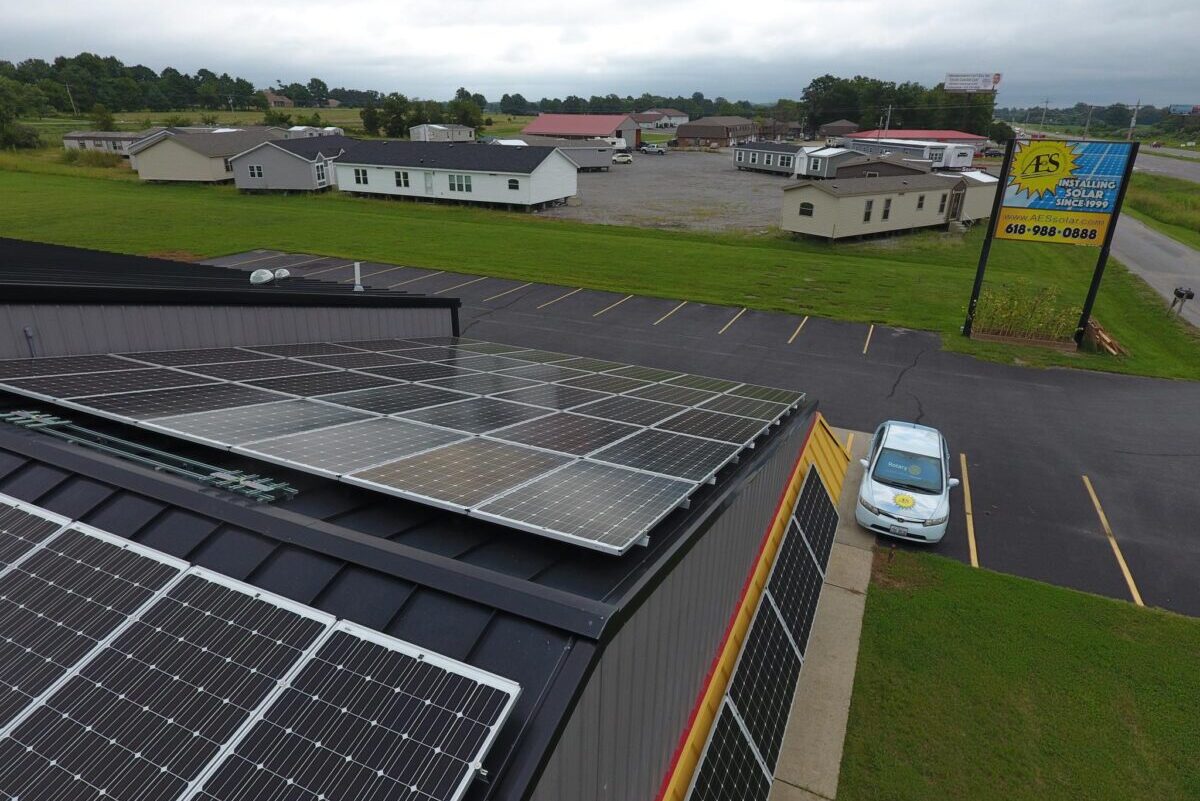
PV started with sub-watt sized cells in solar powered calculators. Solar calculators may not seem to have much to do with today’s multiple hundreds of megawatt (MW) sized plants which can be a billion times larger than a solar calculator, but the manufacturing experience with those tiny cells allowed manufacturers to bring costs down to the point where kilowatt sized systems started to be used on off-grid homes, which in turn brought down the price enough to allow subsidies to make solar affordable for most homeowners, and 1-2 MW commercial plants, and now we’re seeing announcements of solar farms approaching a gigawatt.

CSP, on the other hand, only starts to make sense at around 100 MW, so building each new plant represents a much bigger financial commitment than even a million calculators. Looked at this way, PV’s potential eclipse of CSP perhaps should have not been all that surprising. But hindsight is 20-20.

This also has implications for the advance of other energy technologies. Look for the modular technologies to gain ground at the expense of the industrial scale technologies.

Modular technologies

  • PV
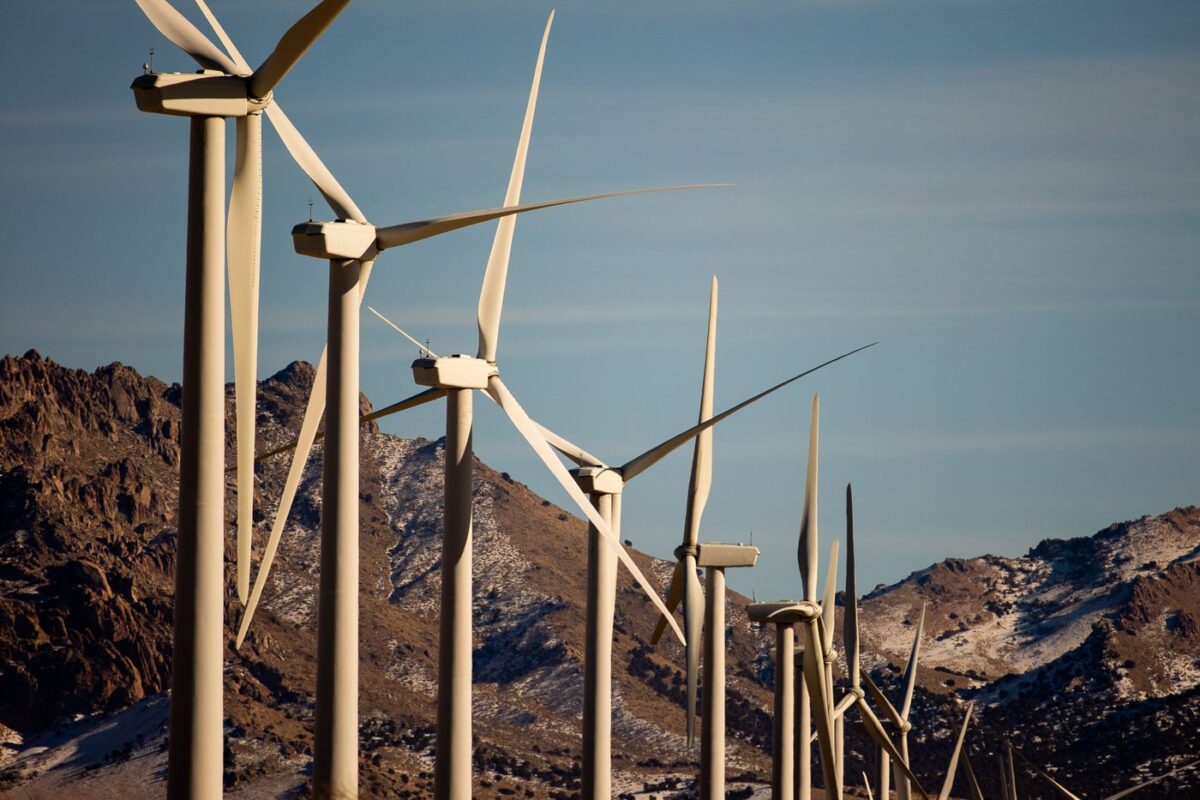
  • Wind
  • Gas Turbines
  • Land Fill Gas
  • Grid based battery storage
  • Energy Efficiency
  • Smart Grid / Demand Response
  • Fuel Cells

Industrial Scale Technologies

  • CSP
  • Coal
  • Nuclear
  • Ocean Thermal Energy Conversion (OTEC)
  • Geothermal Power (sometimes small scale, but limited places it can be built)
  • Compressed Air energy Storage
  • Pumped Hydro
  • Flow Batteries

That’s just a few energy technologies off the top of my head, and I’m not trying to say that modular technologies will always win out over industrial scale technologies. But I am saying that price per kWh is not everything… sometimes small scale leading high prices per unit of energy but low prices for individual systems can allow a rapid evolution to lower prices per kWh. We’ve certainly seen that in Solar.

What’s next? LEDs were also able to develop rapidly because they were useful in a large number of specialized niches, such as indicator lights on electronics) despite the high initial cost per lumen.

Comments (8)

Map of Hybrid/Electric vehicle sales across the US

NPR is doing a series looking at automakers’ push to meet the new CAFE standards. Included is this map of hybrid/electric vehicle sales across the US by market:

http://api.tiles.mapbox.com/v2/npr.basemap-world,npr.hybrid-sales/mm/zoompan,tooltips,legend,share.html#4/36.65000000000001/-96.96999999999997

I thought it would be interesting to compare it to gasoline prices across the US. Here’s one from Gasbuddy.

I’m having trouble getting the frames to work, so you need to open two separate windows to view them side by side.

The correlation looks near perfect with the exception of the most rural parts of the mountain west and (MT, UT) and norther Great Plains (ND,SD). These states buy fewer hybrids than you would expect given their gas prices. My guess is that they see it as unmanly: at least that was the case with one of my sister’s ex-boyfriends, a farmer from Montana living in Wyoming.

The flip side is the desert southwest: Tucson and Albuquerque buy more hybrids than I would expect based solely on gas prices. Perhaps the fragile ecosystem makes them more environmentally conscious?

Leave a Comment

Risk Aversion and Pricing Climate Risk

I felt the “Editor’s Corner” article in the most recent Financial Analysts Journal (Sept/Oct 2011) “Pricing Climate Change Risk Appropriately” does an excellent job explaining why the possibility of extreme climate scenarios justifies a considerably higher price for carbon than would be warranted under the most likely or average scenario: Humans are risk averse.

Equities… have low prices (and high expected returns) because their cash flows are discounted by society at high rates. The reason has to do with the anti-insurance aspect of equities: Their cash flows are highest in good states of nature whereby the value placed on the cash flows is low. In contrast, efforts to mitigate climate change by pricing carbon emissions will be most valuable to society if climate change turns out to have catastrophic consequences for society’s well-being. Because of this insurance aspect, society should be willing to pay higher prices for climate change mitigation.

FAJ Executive Editor Robert Litterman goes on to explain the mechanics behind carbon pricing models and their flaws, as well as why equity analysts are uniquely qualified to do these assessments.

I’ve long thought that financial market theory is uniquely applicable to understanding climate and the measures needed to mitigate climate change. what I don’t understand is why I hear so few analysts talking about it, so it was very refreshing to come across this article applying a deep understanding of economic pricing theory to what the greatest challenge the world will confront in the 21st century.

Leave a Comment

« Newer Posts · Older Posts »
Follow

Get every new post delivered to your Inbox.

Join 116 other followers